






















What Makes Something Feel Real?
A conversation with friends turned into something I kept thinking about for days. The topic was Instagram, and whether most of what we see there is real or not. One person said it’s mostly real — after all, it’s made by real people, showing real places and real moments. The other disagreed. Most of it is staged, constructed, carefully edited. Not real life at all.
Both were right, in a way. And that tension is exactly what made it interesting.
The staged image that still works
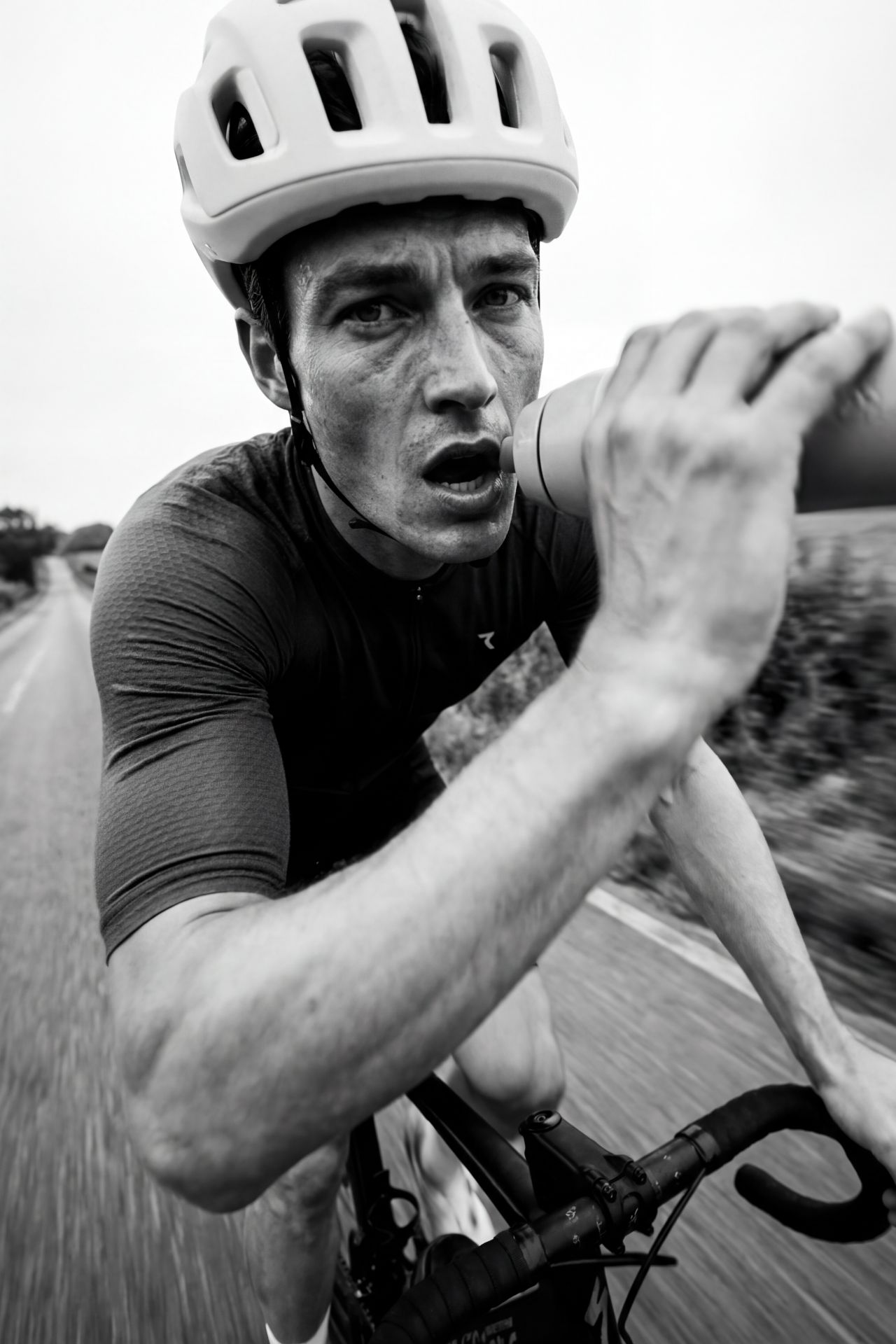
Think about a cycling photoshoot. The kind you see in campaign imagery for outdoor or apparel brands. The model rides the same stretch of road ten times. The light has to be right. The angle has to be right. Nobody is actually in the middle of a long ride — they’re working. And yet, the image lands. You see yourself on that road. You feel the climb, the light, the sweat, the effort, the freedom of it.
There’s a reason Cap de Formentor appears in so much cycling content. That road in Mallorca — the narrow climb, the sea on both sides, the light at the end — has become almost a symbol for what cycling can feel like at its best. The images you see from there are almost always staged to some degree. The rider isn’t mid-effort. The angle is chosen. And still, something comes through. You want to be there. You can feel the road under your wheels before you’ve ever touched it.
That image is completely constructed. And it still makes you feel something.
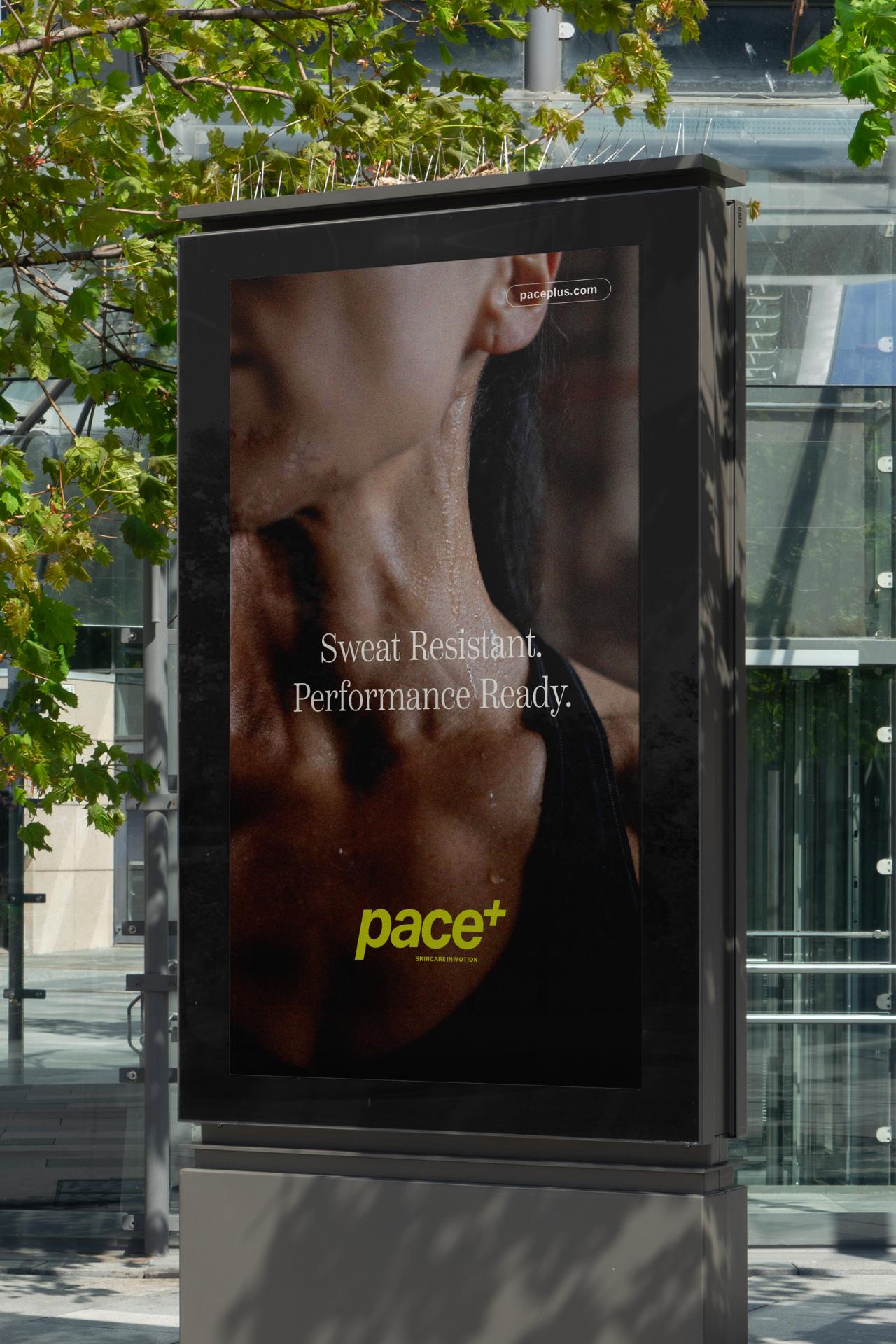
Advertising has always worked this way. The perfect family at breakfast. The dinner in the vineyard. The hotel room with the view. None of it is candid. All of it is constructed to produce a feeling — and it does. We respond to it not because it’s real, but because it reflects something we want to experience.

So what are people actually looking for?
I started thinking about what scrolling through social media actually is, for most people. It’s not a search for documentary truth. It’s more like browsing a mood. Looking for something that resonates, that sparks something. Inspiration. A feeling of possibility. A place you want to go, an atmosphere you want to be part of.
Working with tourism and hospitality brands around Lake Garda, I notice this constantly. The images that perform well aren’t necessarily the most accurate. A shot of the lake at golden hour, a table set outside with the water in the background, a road cutting through olive groves — these work because they carry a feeling. The viewer doesn’t ask whether it was staged. They feel something, and that’s enough.
If that’s true, then the question of real versus staged starts to feel less important than we think. What matters is whether the image carries something human. Whether it connects.
Where AI fits into this
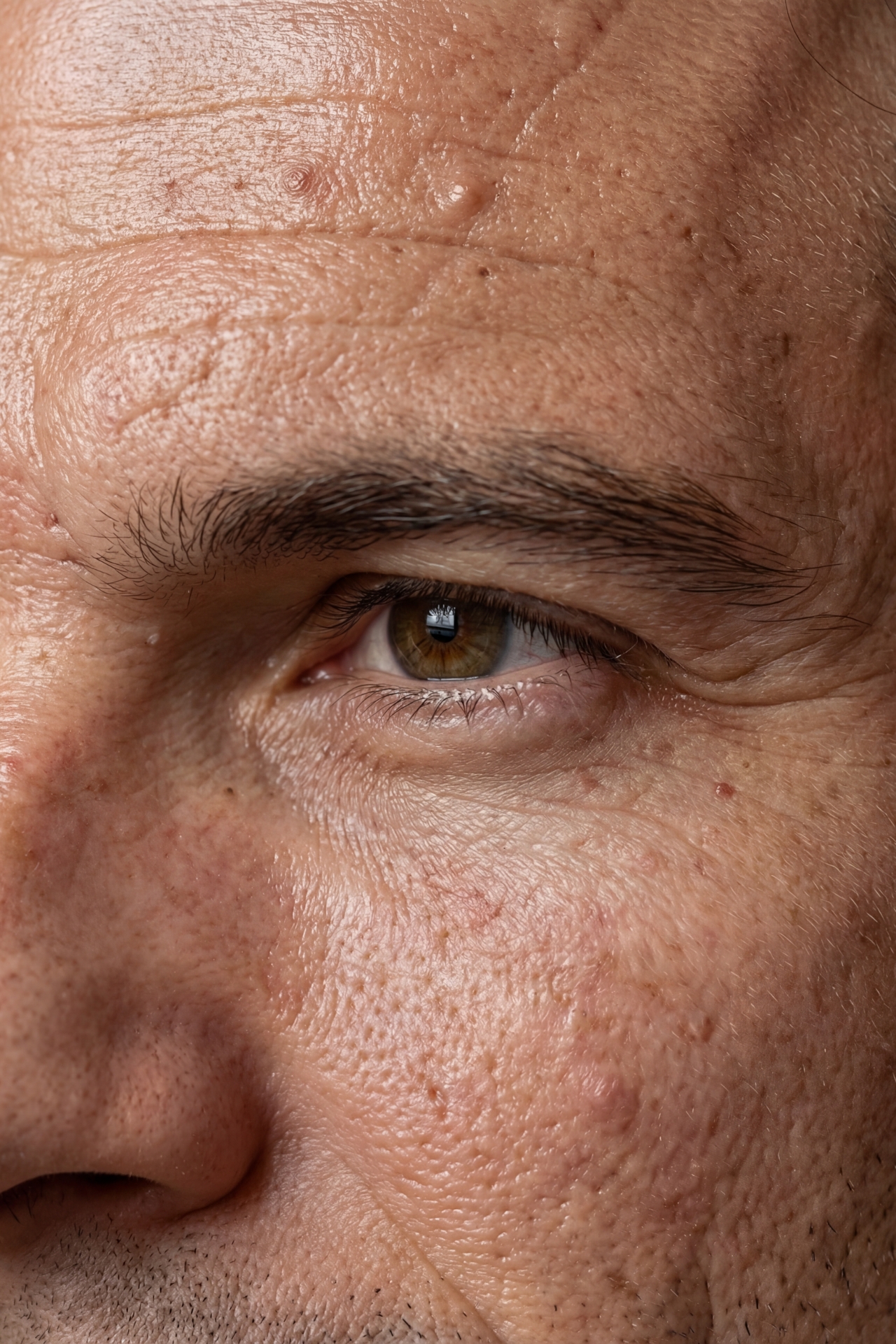
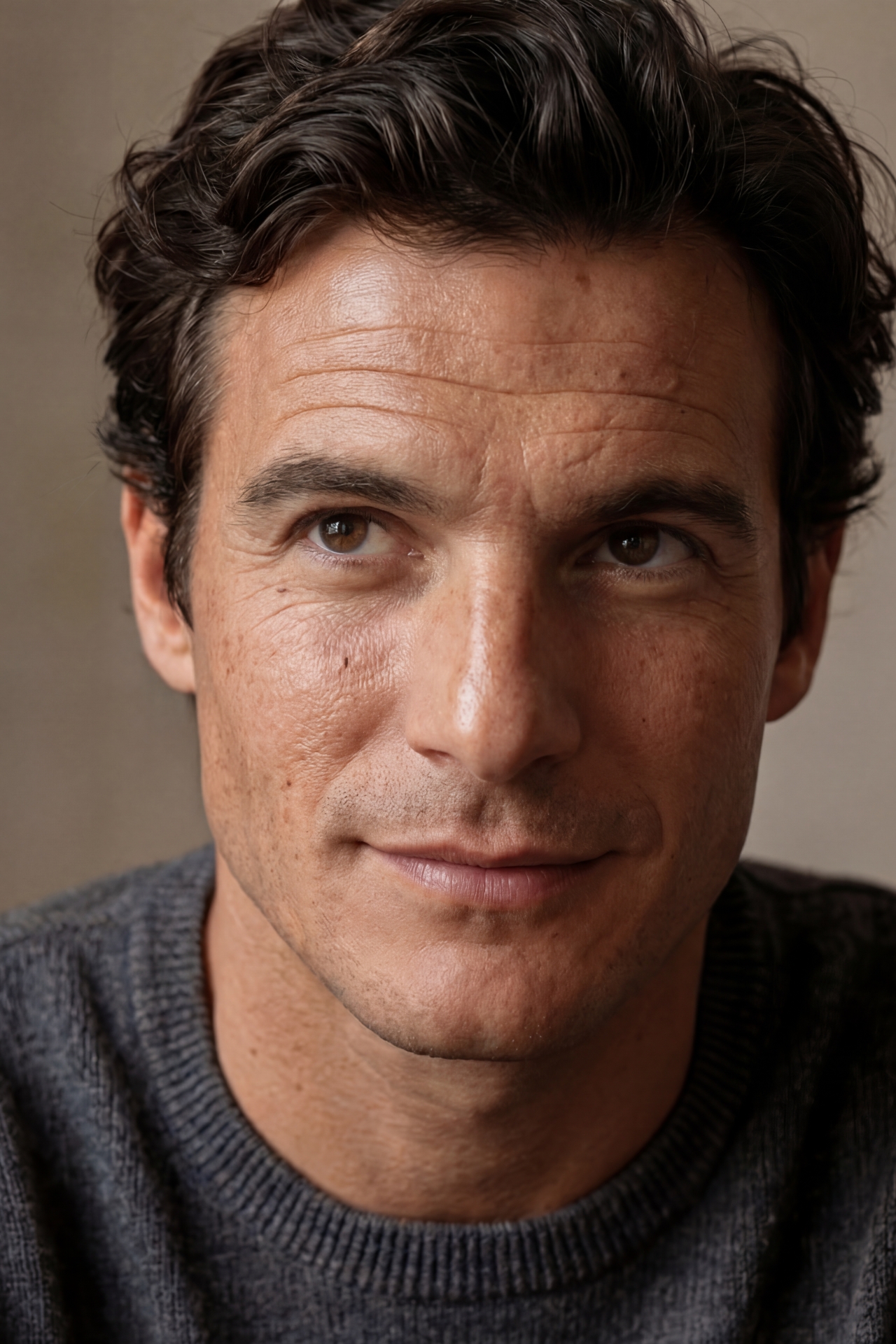
AI-generated visuals on their own don’t do that. Not inherently. A technically perfect image, produced without intention, without a point of view, without someone behind it who understood what they were trying to make the viewer feel — it reads as empty. People notice, even if they can’t explain why.
But AI with a human hand behind it is different. When the direction comes from someone who understands the audience, the context, the feeling that needs to come through — the tool becomes just that. A tool. The result can carry as much emotion as a photograph taken on location, because the intention was there from the beginning.
In that sense, the question isn’t really about AI versus photography. It’s about whether there’s a human sensibility guiding the work. That’s what people respond to. That’s what makes something feel real, even when it’s clearly constructed.

A different question
Maybe the real/fake frame is the wrong one entirely. What I noticed from that conversation — and from working with visual production for a while now — is that people don’t scroll looking for reality. They scroll looking for feeling.
If something makes them feel something, it works. If it doesn’t, it gets ignored, regardless of how it was made.
That seems like the more useful question to ask when approaching any kind of visual work. Not: is this real? But: does this carry something that a person can actually feel?