








The importance of precise, curated images in tourism
- 14 Mar 2026
- No Comments
The importance of precise, curated images in tourism
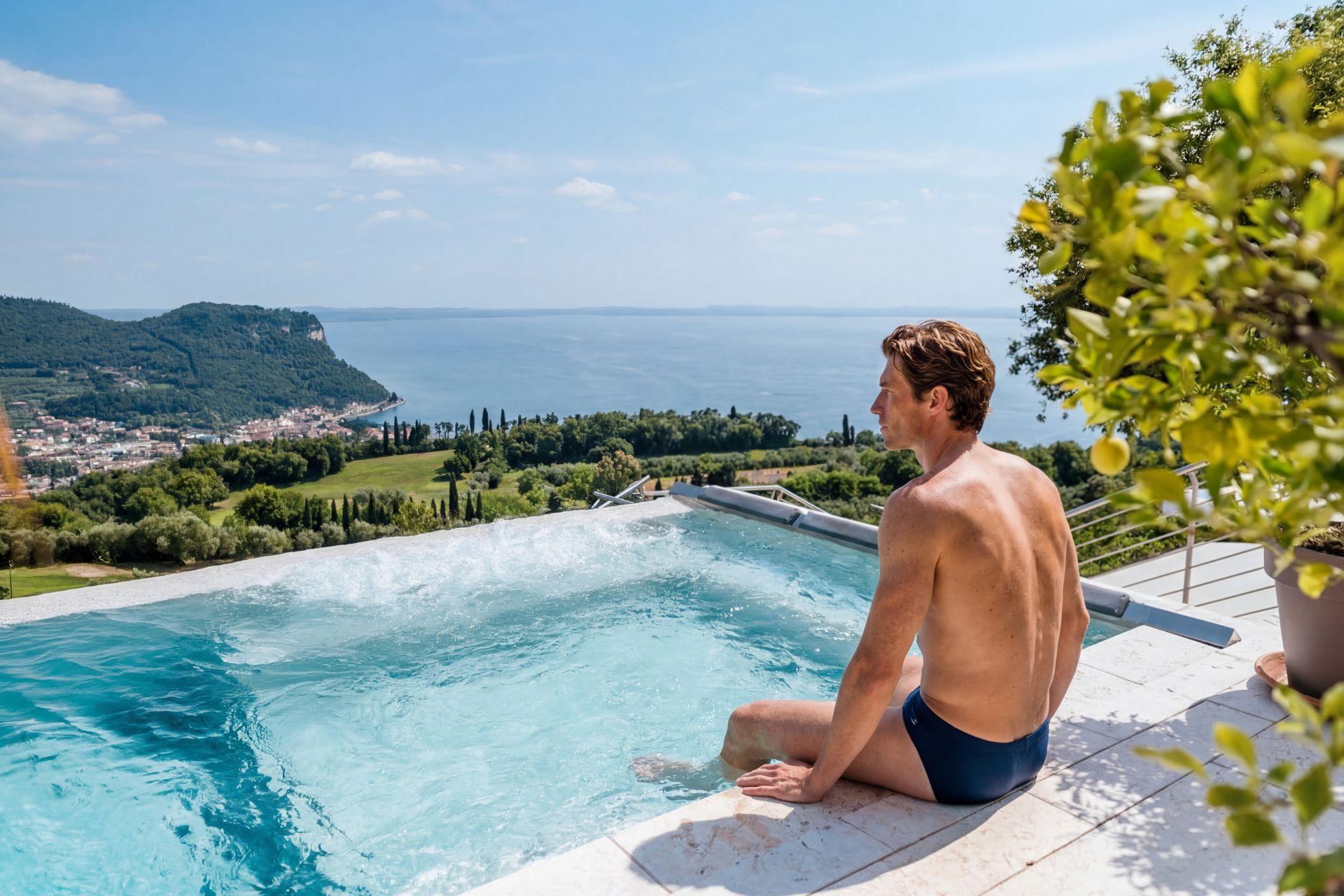
I’ve been paying more attention to how specific tourism images need to be to actually work. Not just visually strong, but precise. Located. Tied to something real. The difference becomes clear when looking at places like Lake Garda, where a single image can either anchor the viewer or leave things slightly undefined.
Precision creates recognition
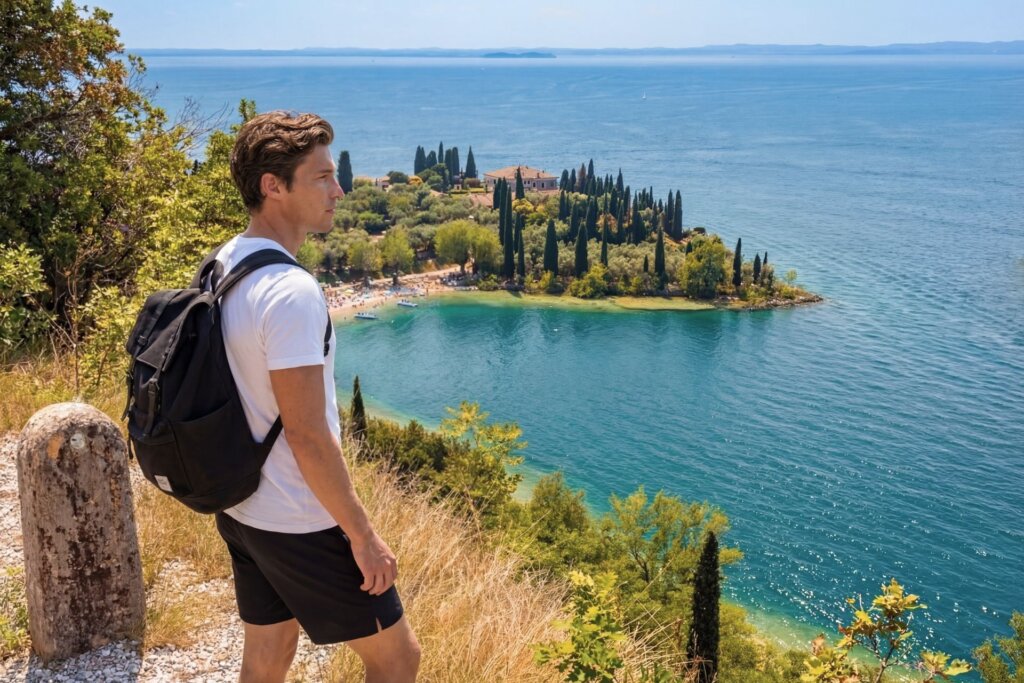
An image of San Vigilio is not just a beautiful lakeside scene. It carries a very specific atmosphere, a certain light, a recognizable structure. The same happens with Rocca di Garda. These places are not interchangeable. They have a form, a position, a relationship with the landscape that people either recognize or intuitively read as real.
When that precision is present, something settles. The image feels trustworthy, even before any conscious evaluation. It connects to memory for those who have been there, and it creates a clear expectation for those who haven’t.
The risk of approximation
I notice that when images start to approximate instead of represent, the effect changes. A lake that looks like Lake Garda but isn’t quite right. A mountain that feels slightly misplaced. Details that don’t fully belong together. These are small shifts, but they create distance.
In tourism, that distance matters. People are not looking for a general idea of a place. They are looking for that place. The exact one. Even if they can’t name the difference, they can feel it.
AI and the question of accuracy
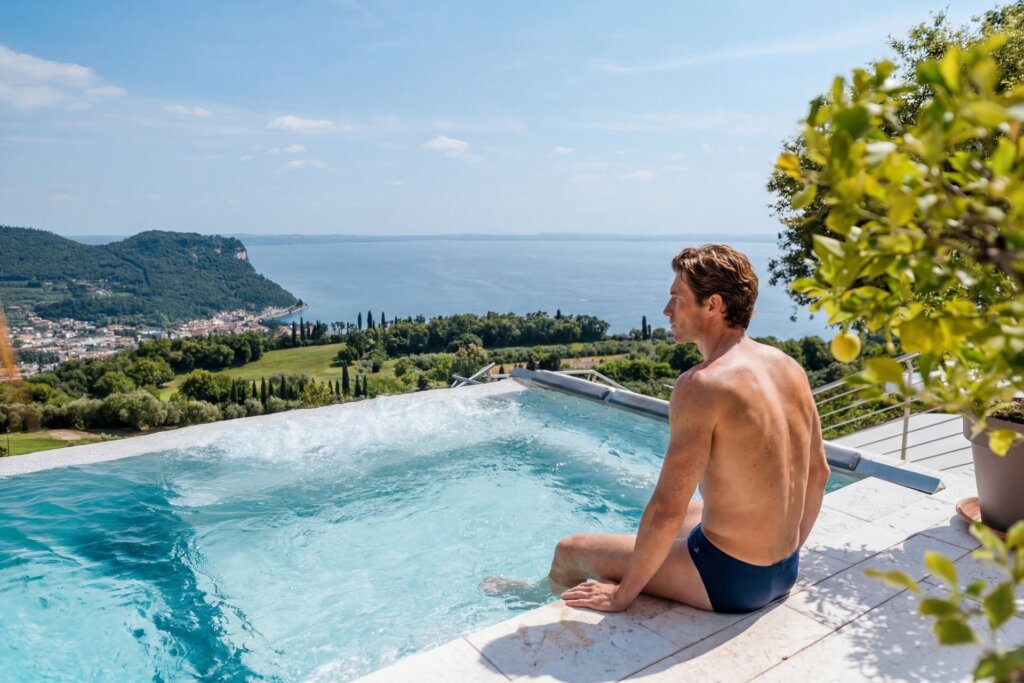
AI visuals make this tension more visible. It becomes easy to generate something that resembles a destination, but resemblance is not enough. When working with specific locations like San Vigilio or Rocca di Garda, the margin for interpretation becomes very narrow.
The image needs to align with reality in a way that holds up. The position of elements, the proportions, the materials, the atmosphere. These are not decorative details, they are what make the place identifiable.
Curating instead of generating
I started seeing AI less as a tool for creating images, and more as a process of selection and correction. Producing many variations is not the difficult part. Choosing the ones that actually feel true to the place is where the work happens.
It requires a constant comparison with reality. What belongs here, what doesn’t. What feels accurate, what feels constructed. The goal is not to create something new, but to arrive at something that could exist without raising questions.
Grounding the visual experience
In tourism, images carry a responsibility that goes beyond aesthetics. They need to hold a connection to a real environment that people will eventually experience. When that connection is clear, the image supports both imagination and trust.
When it drifts, even slightly, the experience becomes less stable.
If this level of precision is difficult to achieve, I work on AI visual production for tourism and hospitality, focusing on images that remain accurate, grounded and connected to real places like Lake Garda.